Twelve objects, as plates.
12 objects on these pages; 3 adopted for 2026, 9 still looking for an adopter. Each plate gives the object, its date, material, room and accession number, a paragraph on what is known and what is not, and the cost of the one treatment it needs.
Adopt an object. The cost on each plate is what the named treatment costs, quoted by a conservator. Adopting pays for that treatment and nothing else: the object stays in the collection, no title passes, and the adopter’s name goes on the label for a year. Gifts go to the collections-care fund, which is used for the direct care of the collection and for nothing else, as the museum’s collections policy and the AAM Code of Ethics for Museums require.
Objects are described, never attributed to a maker the museum cannot prove. Where a plate says “we do not know”, that is the catalogue entry. An object without a photograph would say so on its plate rather than show a stand-in, and the staff checks flag it until one is taken.
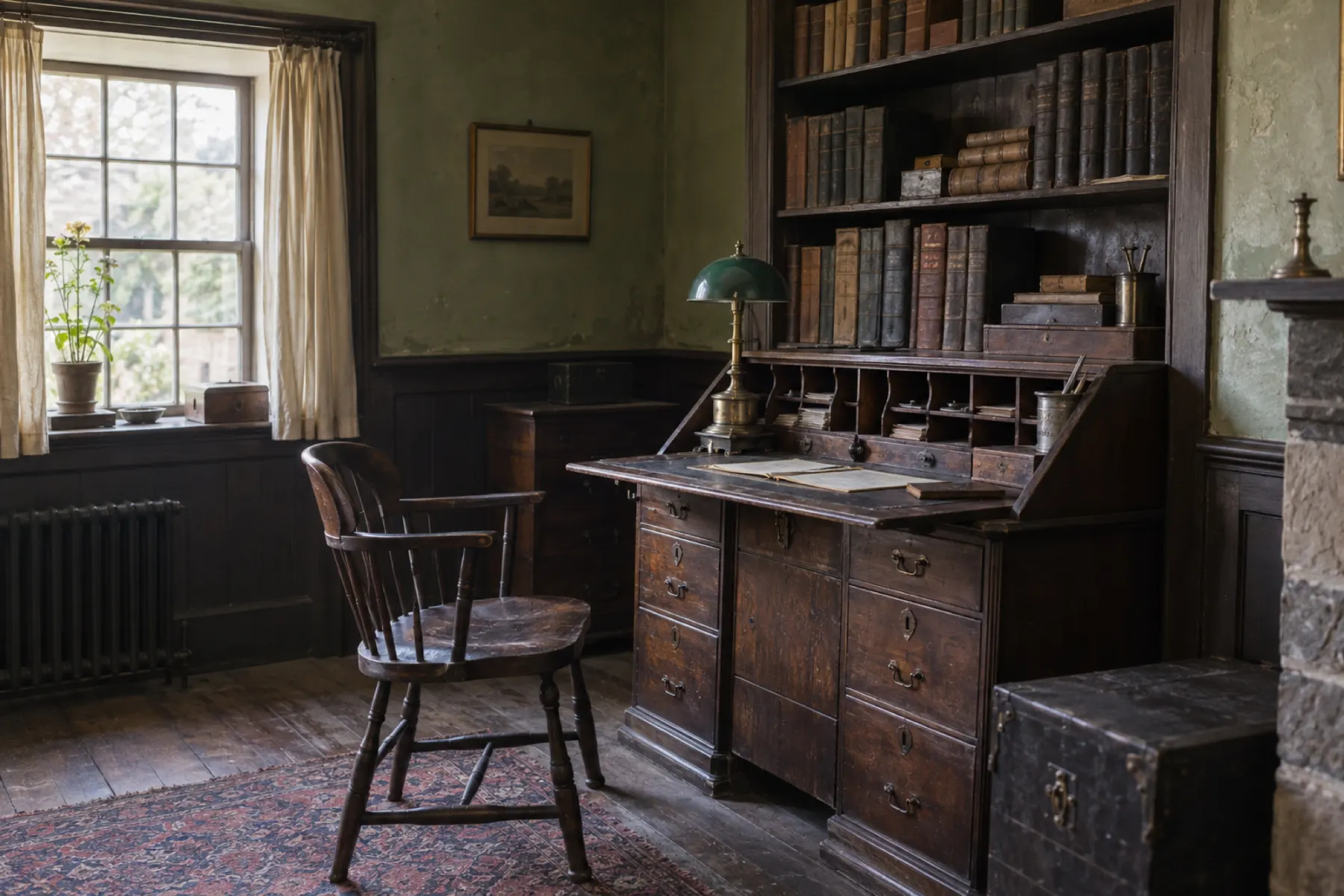
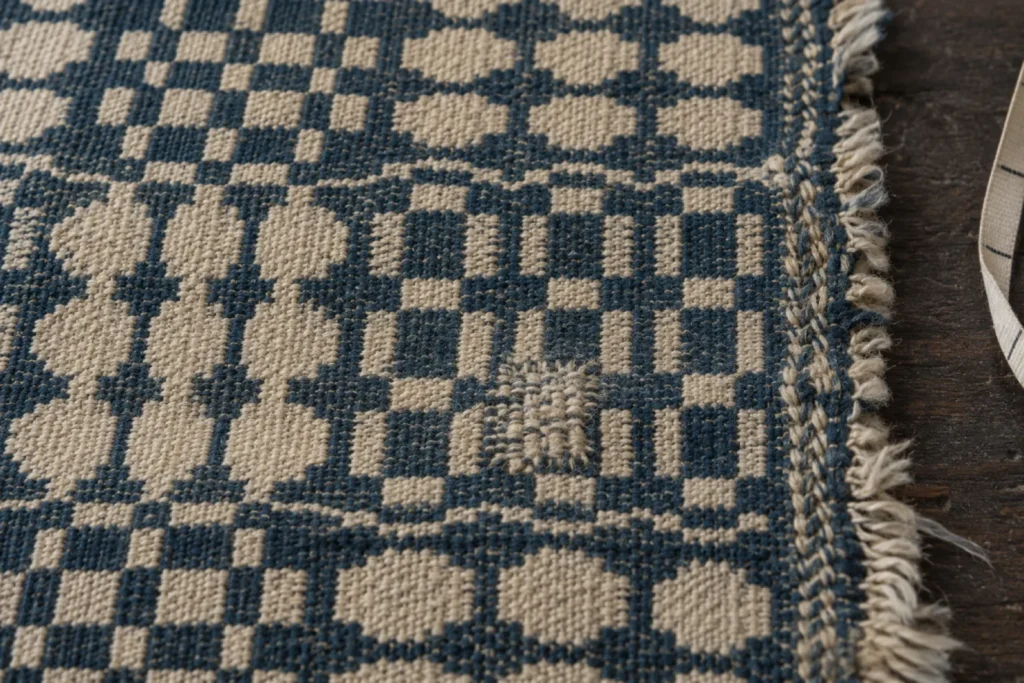
Overshot coverlet
- Object
- Overshot coverlet
- Date
- about 1885
- Material
- Wool and cotton, overshot weave, indigo and undyed
- Room
- The upstairs bedrooms
- Accession
- HHM.1974.12
Two loom widths seamed down the middle, indigo wool floated over a cotton ground in a pattern of squares and lozenges. One selvedge has frayed and there is a darned repair near the seam, done in the house, in a slightly wrong blue. We do not know who wove it; the family's papers call it only "the blue coverlet".
Adopt this object · $180 pays for a conservation clean and a padded roll for storage. Adopt it →
Tall-case clock
- Object
- Tall-case clock
- Date
- about 1870
- Material
- Mahogany, brass, painted iron dial
- Room
- The front hall
- Accession
- HHM.1974.3
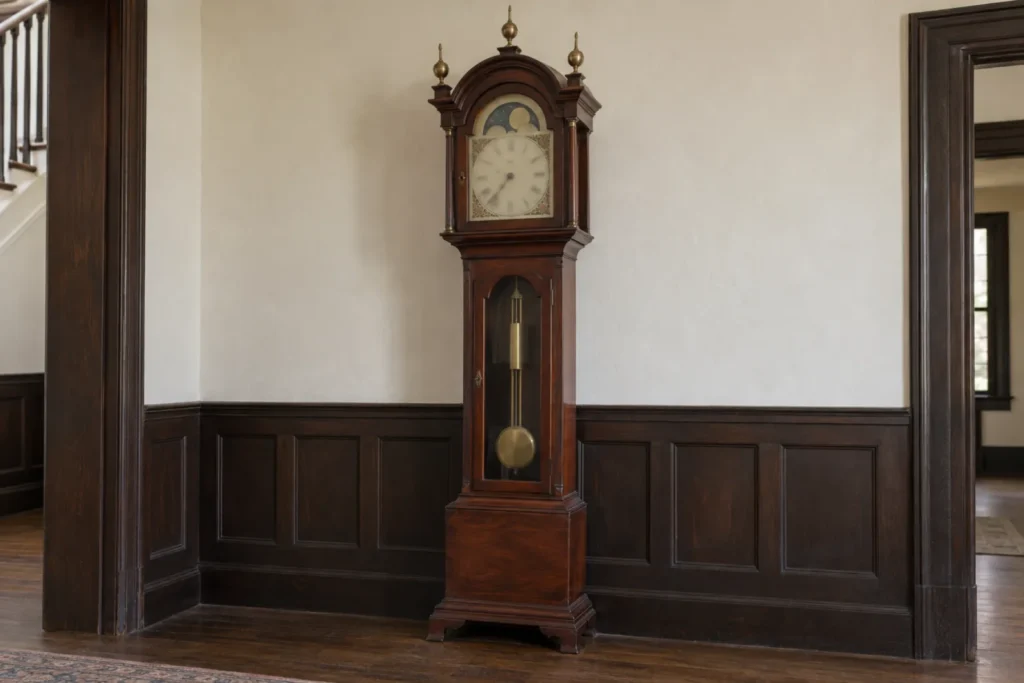
The clock stood in the hall from the day the house was finished and is still wound on Wednesday mornings. The moon-phase dial is painted iron, the case mahogany veneer on pine. It runs a little fast in summer; the last service was in 2014, which is why it is on this list.
Adopted for 2026 — thank you. $600 pays for a full service of the movement by a clock conservator.
Day book, 1884 to 1889
- Object
- Day book, 1884 to 1889
- Date
- 1884 to 1889
- Material
- Paper, leather spine, marbled boards
- Room
- The study
- Accession
- HHM.1975.40
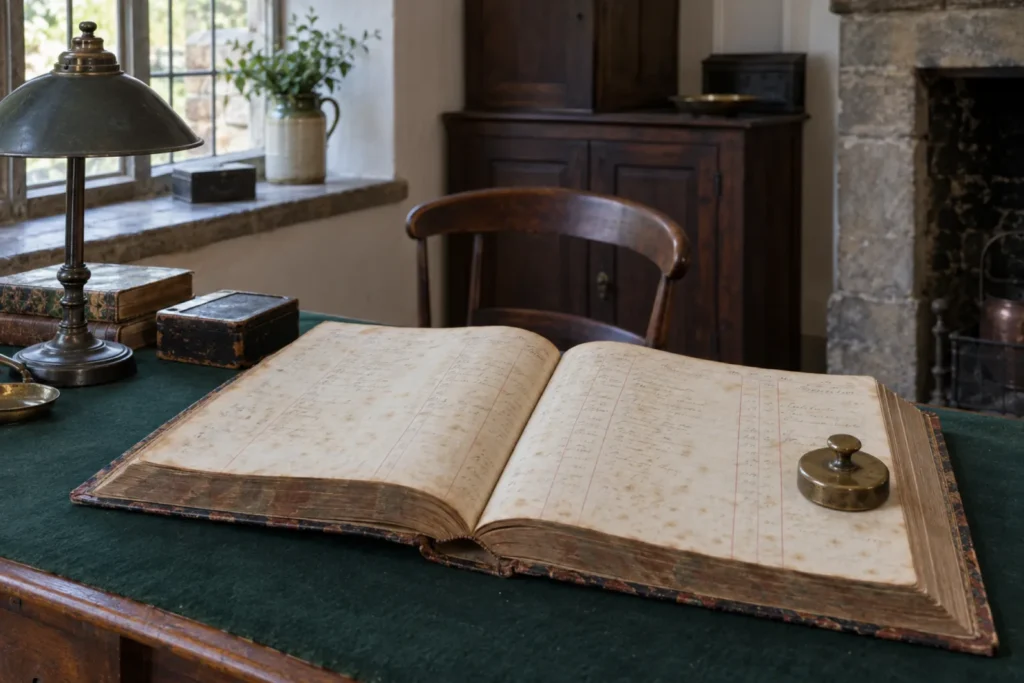
The first of the family's day books: every sale and purchase in the order it happened, before it was posted to the ledger. Flour, salt, lamp oil, freight by the ton, ice by the block. The spine has split and the first gathering is loose, so it is turned only by the curator, with gloves, on request.
Adopt this object · $240 pays for an archival box and a page-by-page digital copy. Adopt it →
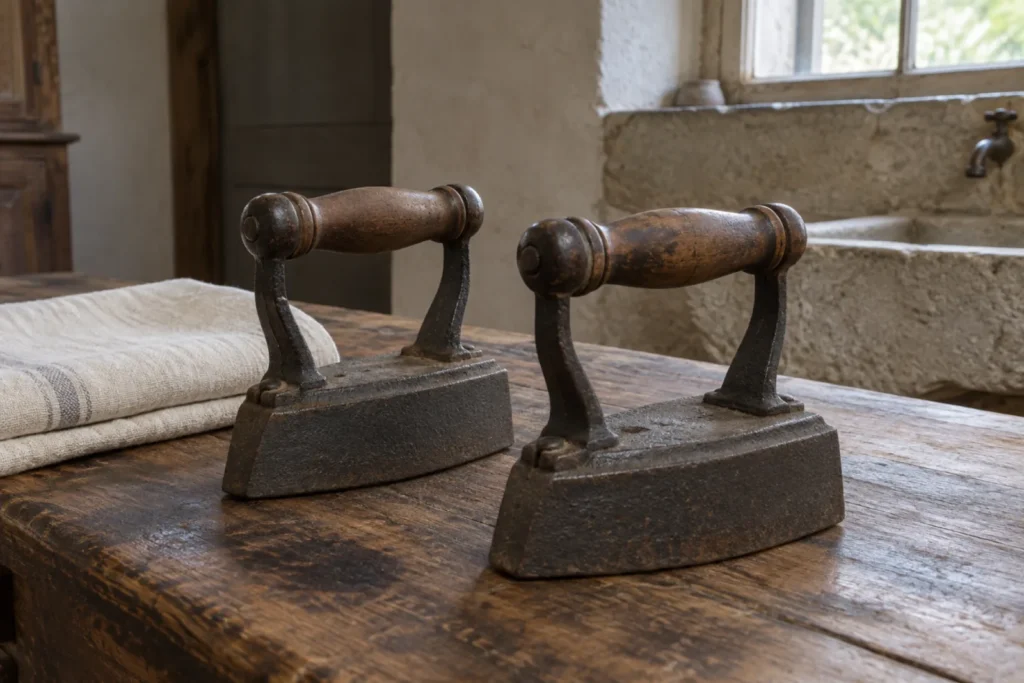
Pair of sad irons
- Object
- Pair of sad irons
- Date
- about 1890
- Material
- Cast iron, turned wooden handles
- Room
- The kitchen
- Accession
- HHM.1978.7
Two of a set of three that were heated in turn on the range, one always hot while the other was in use. The handles are worn to the shape of a hand. They sit on the kitchen table because that is where the 1911 inventory lists them.
Adopt this object · $60 pays for rust treatment and a protective wax. Adopt it →
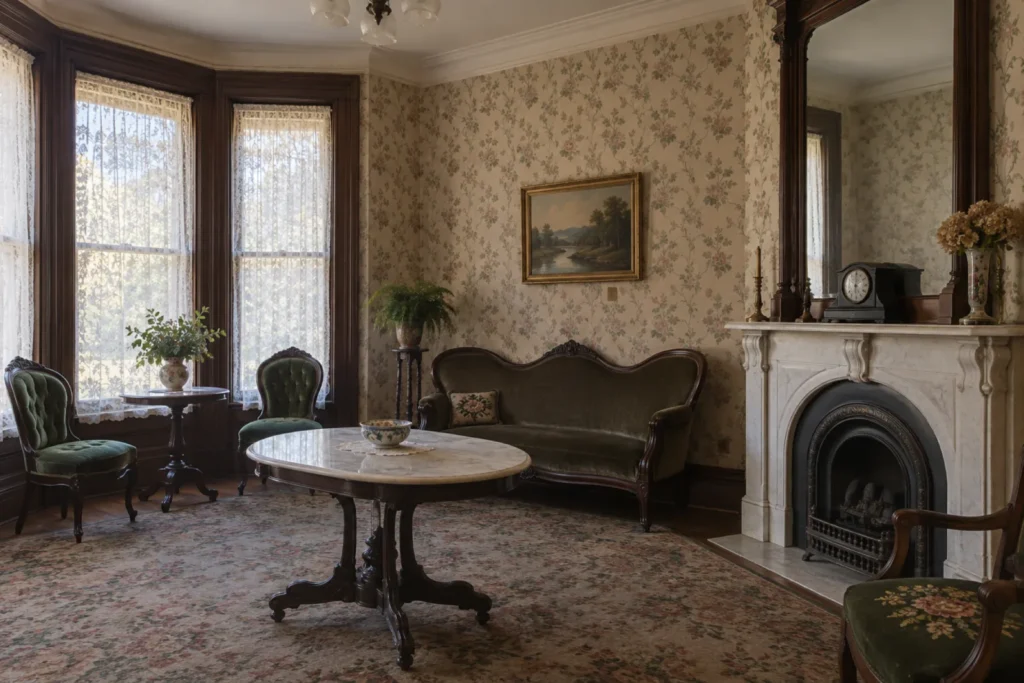
Horsehair sofa
- Object
- Horsehair sofa
- Date
- about 1880
- Material
- Walnut, horsehair cloth, coil springs
- Room
- The parlour
- Accession
- HHM.1974.1
Accession number one: the first object catalogued when the museum was founded, because it had never left the room. The frame is walnut, the cover is horsehair cloth worn through on the arms, and the springs are the originals. It is roped off because it would not take a second century of sitting.
Adopt this object · $900 pays for re-covering in woven horsehair, keeping the original springs. Adopt it →
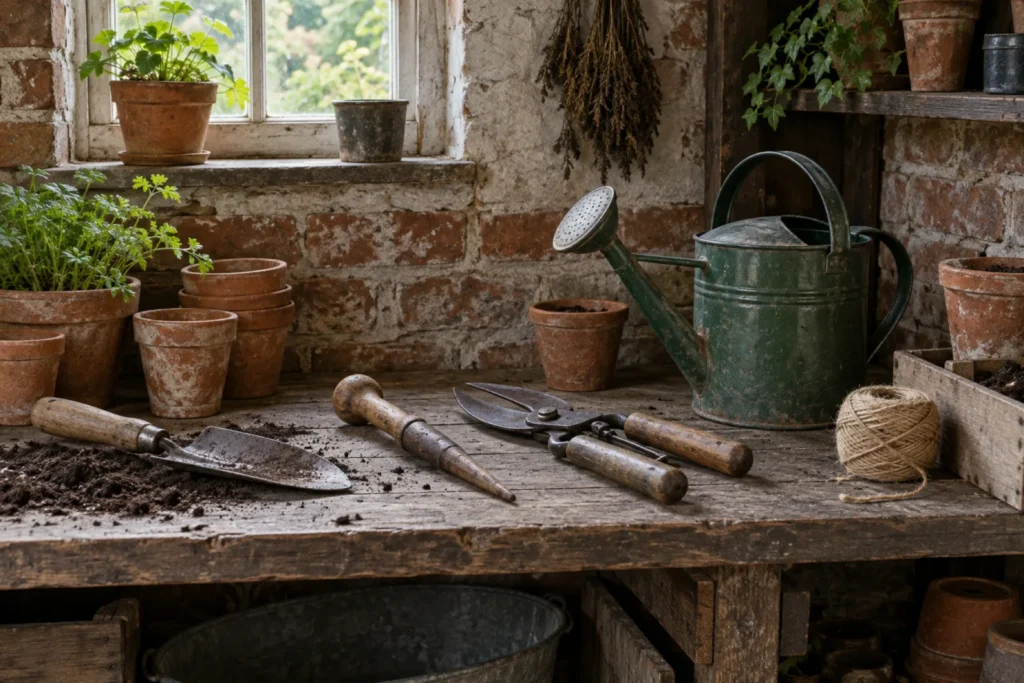
Dibber and trowel
- Object
- Dibber and trowel
- Date
- about 1900
- Material
- Ash handles, forged iron
- Room
- The potting shed
- Accession
- HHM.1990.22
Found in the potting shed in 1990, hanging where they had been left. The dibber's handle is split along the grain and the trowel blade is worn to half its width. They are the tools the seed order books were written for, and the garden manager still plants by the spacings in those books.
Adopted for 2026 — thank you. $80 pays for consolidating the split handles and waxing the iron.
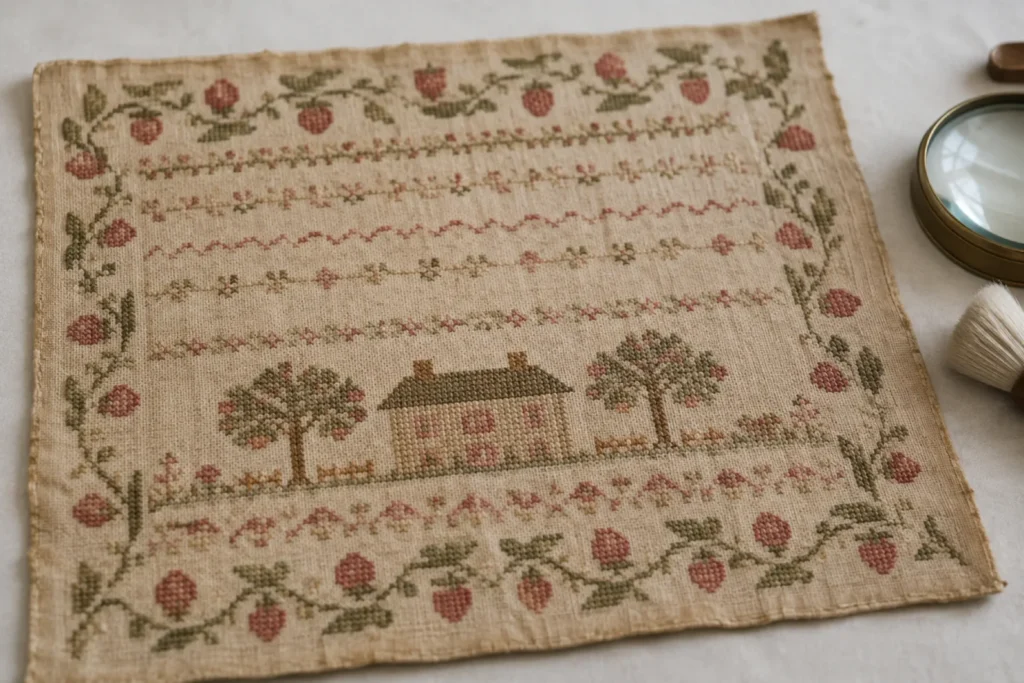
Child's sampler
- Object
- Child's sampler
- Date
- 1891
- Material
- Linen, silk thread
- Room
- The upstairs bedrooms
- Accession
- HHM.1981.5
Stitched by one of the Hollin daughters at nine: a border of strawberries and vines, the house between two trees, and rows of stitched flowers where a sampler usually carries its alphabet. The silks have faded on the side that faced the window for eighty years; the back shows the colours as they were. It is shown in low light for that reason.
Adopt this object · $220 pays for UV-filtering glass and an acid-free mount. Adopt it →
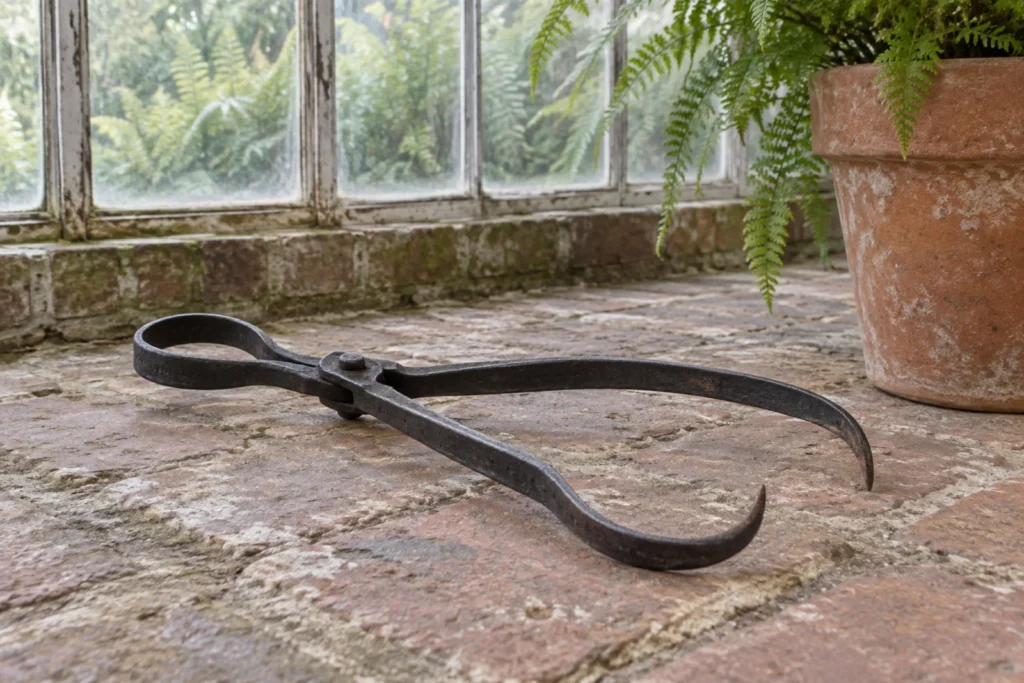
Ice tongs
- Object
- Ice tongs
- Date
- about 1895
- Material
- Wrought iron
- Room
- The garden room
- Accession
- HHM.1986.13
A pair of tongs for lifting a block of river ice, from the ice house that stood at the bottom of the garden until 1931. The ice trade paid for the garden wall; the tongs are the only tool from it that survives. Not yet photographed: the object is in the study store.
Adopt this object · $60 pays for rust treatment and a protective wax. Adopt it →
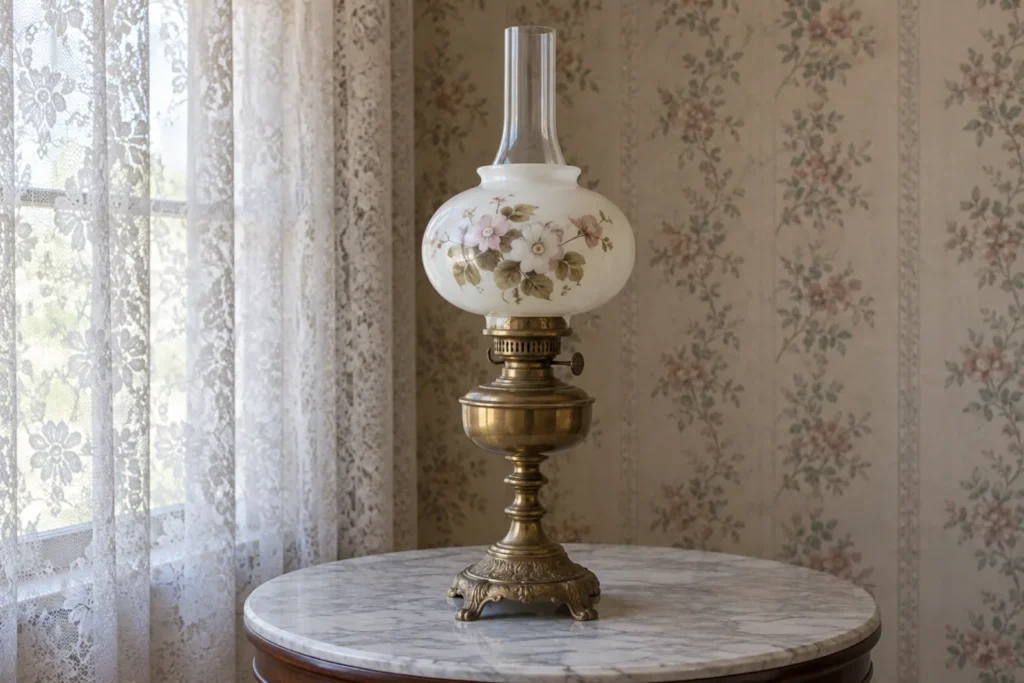
Kerosene parlour lamp
- Object
- Kerosene parlour lamp
- Date
- about 1890
- Material
- Brass, milk glass, clear glass chimney
- Room
- The parlour
- Accession
- HHM.1974.19
The house had no gas and no electricity until 1922, so the parlour was lit by lamps like this one on winter evenings. The globe is painted milk glass; the chimney is a later replacement with a crack, which is what the adoption pays to put right.
Adopt this object · $140 pays for cleaning the brass and replacing the cracked chimney with a period one. Adopt it →
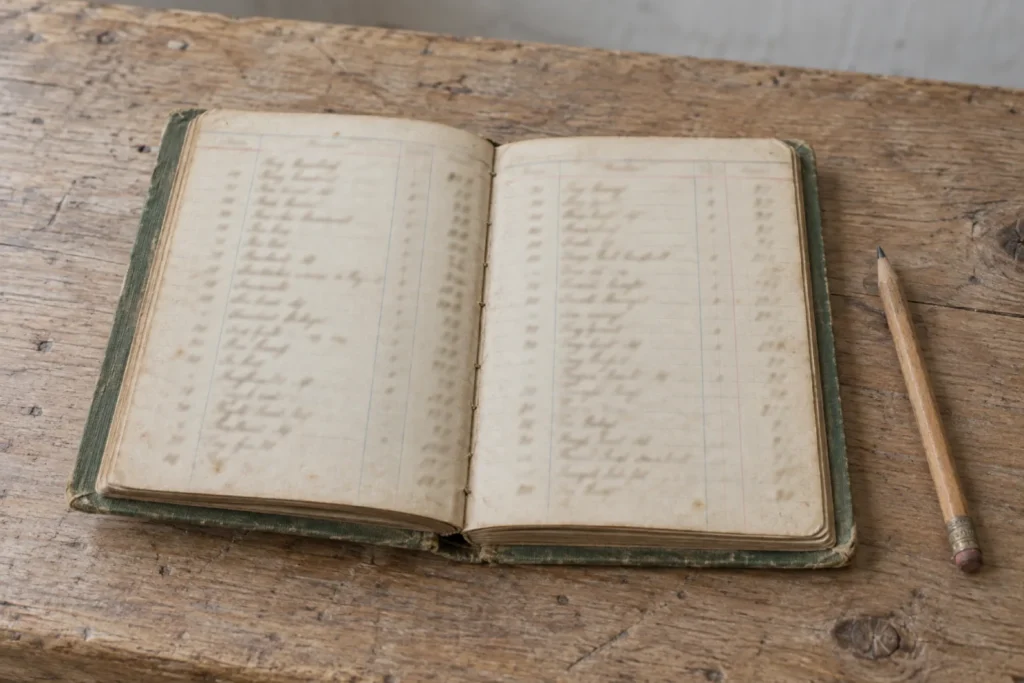
Seed order book, 1902 to 1910
- Object
- Seed order book, 1902 to 1910
- Date
- 1902 to 1910
- Material
- Paper, cloth boards
- Room
- The study
- Accession
- HHM.1990.2
Nine years of seed orders in the garden manager's hand: varieties, quantities, which bed, and notes on what failed. The kitchen garden is planted from these pages. Adopted for 2026, so the digital copy is being made; the book itself is in the study store and not yet photographed.
Adopted for 2026 — thank you. $240 pays for an archival box and a page-by-page digital copy.
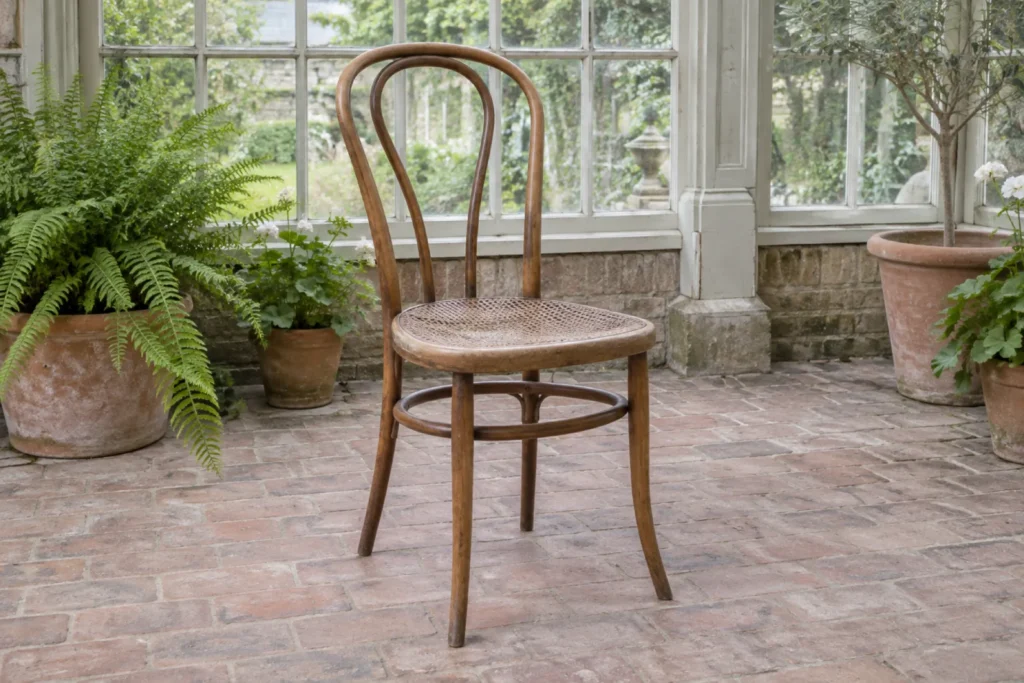
Bentwood garden chair
- Object
- Bentwood garden chair
- Date
- about 1905
- Material
- Steam-bent beech, cane seat
- Room
- The garden room
- Accession
- HHM.2003.8
One of six chairs bought for the garden room when it was glazed in 1905; four survive and this is the soundest. The cane is original and gives under any weight, so it is the one chair in the house with a sign that says please do not sit.
Adopt this object · $320 pays for re-caning the seat and consolidating the joints. Adopt it →
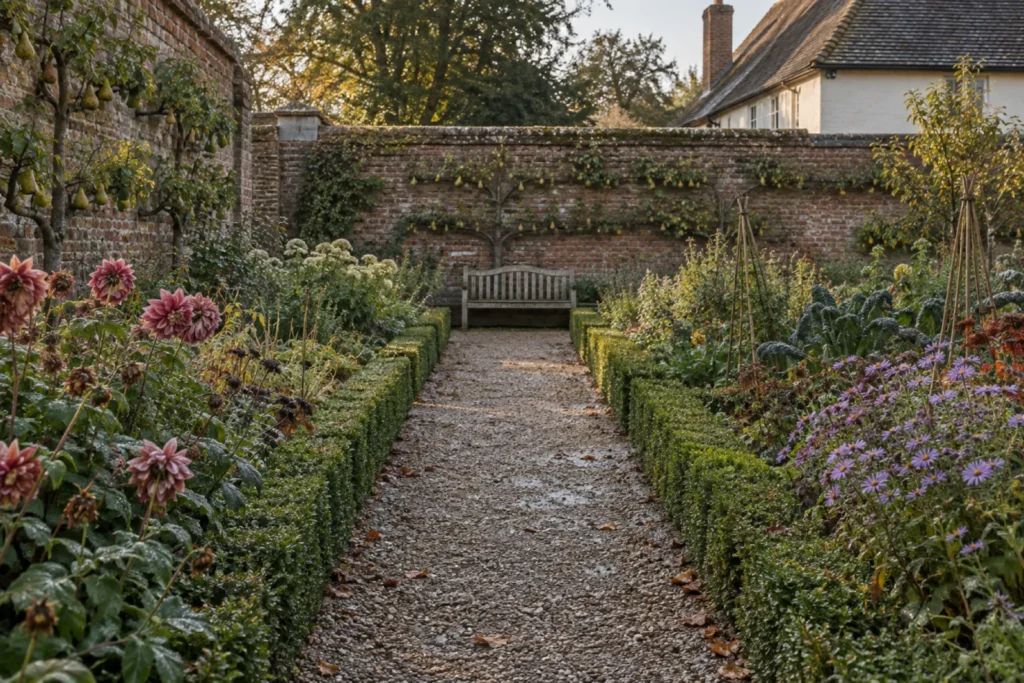
Cast-iron garden urn
- Object
- Cast-iron garden urn
- Date
- about 1880
- Material
- Cast iron, layers of paint
- Room
- The walled garden
- Accession
- HHM.1974.30
At the far end of the main path, where it has stood since the garden was walled. Paint analysis in 2024 found seven layers; the earliest is a dark green, and the adoption pays to take it back to that. It is planted every May with what the 1904 seed book says it held.
Adopt this object · $450 pays for stripping, rust treatment and repainting in the colour found under the layers. Adopt it →
What each line means
- Accession
- HHM, the year the object came to the museum, and its number in that year. A set — six chairs, a pair of irons — is one record.
- Date
- “About” means the date is read from the object itself; a plain year means a document gives it.
- Material
- As examined, not as the family papers describe it.
- Room
- Where the object stands now, which is not always where it stood in 1884.
- Cost
- What the one treatment the object needs costs, quoted by a conservator this year; it changes when the quote does.
“Where a plate says we do not know, that is the catalogue entry.”
The collections policy allows a plate to say less than the family said. Attributions the museum cannot prove are left off; a treatment paid for by an adopter is named on the label for a year, with the adopter’s name beside it.