What the money did, with the method beside every number.
A visit cost the museum about $35 in 2025 and the average ticket brought in about $11. The rest came from members, gifts, rentals and a state grant. Everything below is for the year ended 31 December 2025, on labelled sample documents.
The numbers
Every ticket issued at the desk in 2025, paid and free, plus member visits counted at the card scan. Event and rental guests are not included. Rounded to the nearest hundred.
Free tickets issued on the twelve first Sundays of 2025, counted at the desk. Included in the 24,000 above.
Booked school visits in 2025, 2,300 students in all, from the education manager's bookings sheet. Each visit counts once however many classes came.
Memberships current on 31 December 2025, from the membership list. A household membership counts once, whoever is on it.
Hours signed in on the docent sheet in 2025, by about fifty people. Training evenings are included; travel is not.
Catalogued records in the collections database on 31 December 2025. A set (six chairs, a tea service) is one record.
Objects that received a treatment by a conservator in 2025, paid from the collections-care fund, including four adopted objects. Routine cleaning by staff is not counted.
Days in 2025 on which the house and the garden were open to visitors, from the seasons and closures as published. Days closed for a private rental count as closed.
Every number on this site comes with the sentence that says how it was counted. No method, no number. Visitor counts are for 2025 and are on the sheet the staff edit; they change once a year, in January.
The year
$851,000 over 24,000 visitors is $35 a visit; $268,000 of admissions over the same visitors is $11 a ticket, because children, members and first Sundays are free. Fifty-two cents of every dollar goes to the five staff and the docents; twenty-two cents to the house and the garden.
The state grant is general operating support from the state arts council, awarded for the year and spent on the programs named in the application: exhibitions, talks and the school program. It is the one line here that a real museum could not count on every year, and the budget treats it that way.
Three 990s, the review, the letter
The three most recent Form 990s are listed by themselves; older years drop off. A museum this size has a review, not an audit, and says so. Every document is a labelled sample: the museum is invented, and so are the figures.
What each one says
Form 990, Part I is the one-page summary: what came in, what went out, what is left. Part IX splits every dollar into program, management and fundraising. Part III is the story in words: visitors, open days, objects conserved.
The review is what a museum this size has instead of an audit: an accountant checks the statements without the full audit procedures, and says so on the first page. The collection is not on the balance sheet, on purpose, and the note says why.
The IRS letter is what makes gifts deductible. The sample presents what the letter states in the museum’s own typography, so that nobody can mistake a demonstration document for a government one.
The rules the museum lives under, stated with their source, never advised: chartered by the Board of Regents under Education Law § 216 (absolute charter, sample); registered with the Attorney General’s Charities Bureau, which takes the annual filing; and the three most recent returns and the exemption application open to public inspection, as the tax code requires.
What the house costs
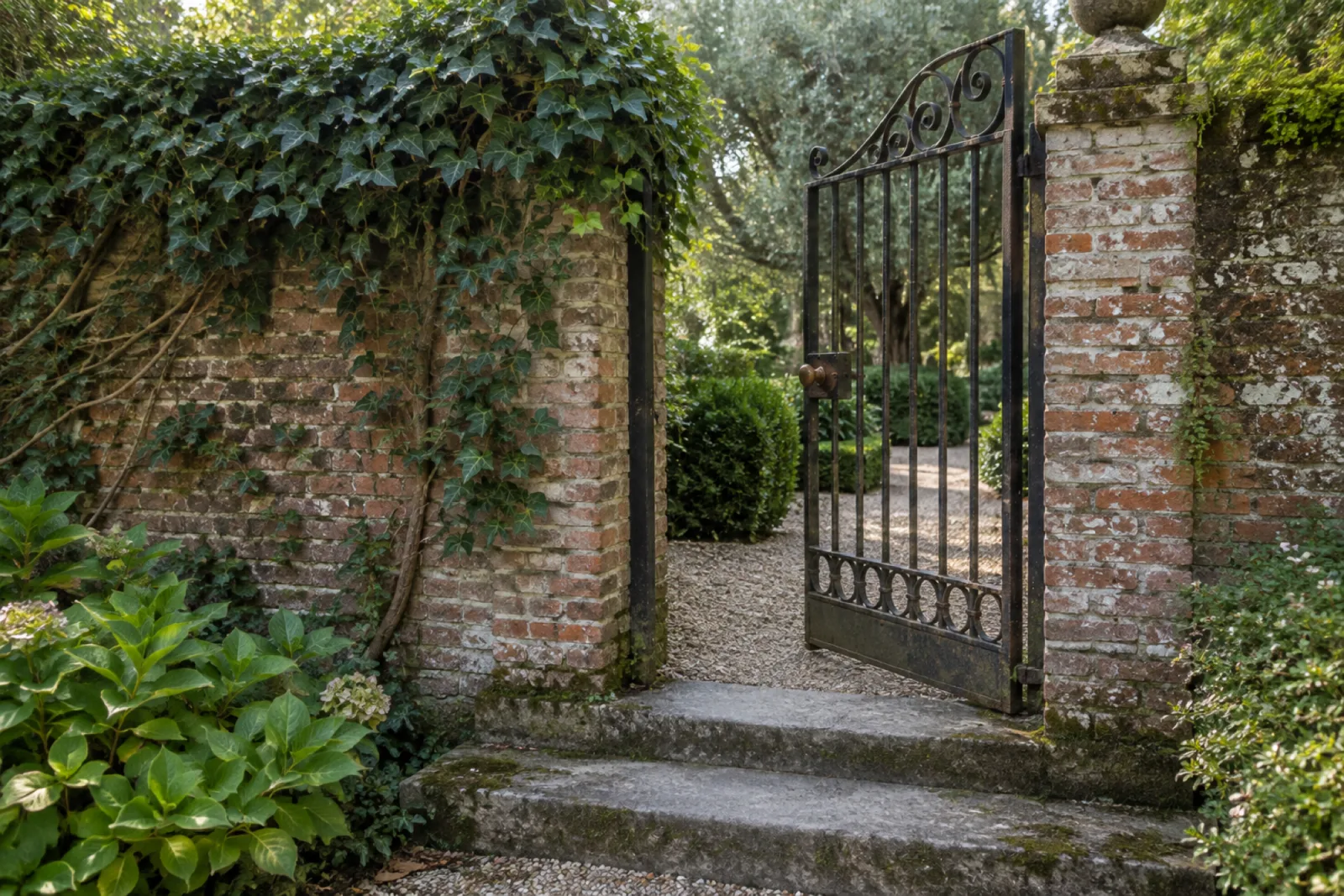
Conservation of the building, repairs, the garden, utilities and insurance came to $188,000 in 2025 — the line marked the house and garden above, twenty-two cents of every dollar. The roof was reslated in 2019 and the garden wall repointed in 2023, both from the appeal; the next large job is the porch, in 2027, and the appeal will say so.